Kumagaya Fireworks Festival

Click or Tap

Kumagaya Fireworks Festival

This is the oldest fireworks display in Saitama Prefecture, featuring approximately 10,000 fireworks that light up the night sky. It is held along the Arakawa River.

Adachi Fireworks Festival

Click or Tap

Adachi Fireworks Festival

This fireworks display kicks off the season of large-scale fireworks events in Tokyo. It is held along the Arakawa River in Adachi Ward, Tokyo.

Itabashi Fireworks Festival & Todabashi Fireworks Festival

Click or Tap

Itabashi & Todabashi Fireworks Festival

These are iconic summer fireworks events held every August in Tokyo and Saitama; together, they feature a spectacular display of 12,000 fireworks.

Edogawa City Fireworks Festival & Ichikawa City Summer Fireworks Festival

Click or Tap

Edogawa & Ichikawa Fireworks Festival

The Edogawa City Fireworks Festival and the Ichikawa City Summer Fireworks Festival are large-scale fireworks displays held on the Edogawa River floodplain.

Katsushika Summer Evening Fireworks Festival

Click or Tap

Katsushika Fireworks Festival

Held every summer along the banks of the Edogawa River, the event features approximately 15,000 fireworks illuminating the night sky. The "Silver Kamuro" fireworks during the finale are a particular highlight.

Ota City Peace City Declaration Commemorative Fireworks Festival – Nearest station: Keikyu Rokugo-dote Station

Click or Tap

Fireworks for Peace

As part of the commemorative events for Ota City's Declaration as a City of Peace, the "Fireworks Festival" is being transformed into the "Peace Gathering" in 2024. Fireworks dedicated to peace will be launched during the second part of the event.

Sumida River Fireworks Festival

Click or Tap

Sumida River Fireworks Festival

It is one of Japan's premier traditional fireworks festivals, held annually on the last Saturday of July along the banks of the Sumida River in Tokyo.

Tokyo Bay Fireworks Festival

Click or Tap

Tokyo Bay Fireworks Festival

A spectacular fireworks display held every summer in Tokyo Bay from 1988 to 2015, featuring the launch of approximately 12,000 fireworks with the Harumi district of Chuo Ward, Tokyo, serving as the main venue.

Chiba City Fireworks Festival

Click or Tap

Chiba City Fireworks Festival

This fireworks festival is held annually in Chiba City, Chiba Prefecture. It has been taking place since 1948 and is known as one of the premier fireworks displays in Japan.

Koto Fireworks Festival

Click or Tap

Koto Fireworks Festival

A spectacular fireworks event illuminating the summer night sky at Arakawa-Sunamachi Waterside Park. Thanks to the close proximity between the launch site and the spectator area, you can enjoy the display of approximately 6,000 fireworks up close.

Jingu Gaien Fireworks Festival

Click or Tap

Jingu Gaien Fireworks Festival

A premier Japanese fireworks display held every August across four venues in the Gaien-mae area of ​​Shibuya Ward, Tokyo: Jingu Stadium, the National Stadium, Chichibunomiya Rugby Stadium, and the Jingu Soft-ball Stadium.

Kanagawa Shimbun Fireworks Festival

Click or Tap

Kanagawa Shimbun Fireworks Festival

A fireworks display held in Yokohama City, Kanagawa Prefecture, from 1986 to 2016, sponsored by the Kanagawa Shimbun newspaper. Since 1995, the fireworks have been launched from the sea off the coast of the Yokohama Minato Mirai 21 district.

Iruma Summer Evening Fireworks Festival

Click or Tap

Iruma Fireworks Festival

Held annually on August 15th along the banks of the Iruma River in Noda, Iruma City, Saitama Prefecture, this event features a spectacular display of approximately 1,200 fireworks that dazzle the night sky and captivate the audience with their beautiful radiance.
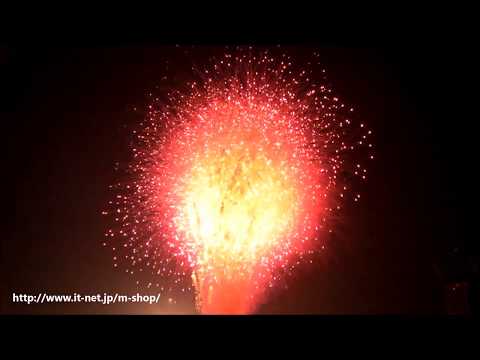
The Setagaya Ward Tamagawa Fireworks Festival is also commonly known as the Futako-Tamagawa Fireworks Festival.

Click or Tap

Tamagawa Fireworks Festival

The Setagaya-ku Tamagawa Fireworks Festival and the Kawasaki City Commemorative Tamagawa Fireworks Festival are spectacular fireworks displays held annually on the Tama River floodplain, spanning Setagaya Ward in Tokyo and Takatsu Ward in Kawasaki City, Kanagawa Prefecture.

Kita Ward Fireworks Festival

Click or Tap

Kita Ward Fireworks Festival

A fireworks display held annually in early autumn—either September or October—near the Iwabuchi Sluice Gate on the Arakawa River floodplain in Kita Ward, Tokyo.


A Japanese fireworks festival, known as **Hanabi Taikai**, is one of the country's most unforgettable summer traditions and a remarkable cultural experience for visitors from around the world. More than a simple fireworks display, these festivals combine history, artistry, local customs, seasonal cuisine, and community spirit into a single evening of celebration. From bustling metropolitan riversides to peaceful coastal towns and rural lakes, every region offers its own distinctive atmosphere, allowing travelers to experience a different side of Japan's summer culture. As the sun slowly disappears below the horizon and the first lanterns begin to glow, the excitement builds throughout the venue. Streets become filled with families, friends, and couples dressed in colorful yukata, creating a vibrant and nostalgic scene that perfectly represents the charm of a Japanese summer. One of the greatest attractions of a fireworks festival is its spectacular visual performance. Modern Japanese fireworks are famous throughout the world for their precision, symmetry, and brilliant colors. Skilled pyrotechnicians spend months carefully designing each shell so that it blooms into a perfectly round shape high above the ground. Brilliant shades of red, blue, green, gold, silver, and purple illuminate the night sky before gently fading into countless sparkling fragments. Some fireworks resemble giant chrysanthemums, while others cascade like waterfalls or create intricate shapes that surprise the audience. In recent years, many festivals have introduced synchronized musical performances in which hundreds of fireworks are launched in perfect harmony with orchestral music, pop songs, or traditional Japanese melodies. The combination of sound, light, and rhythm transforms the night sky into an enormous outdoor theater, creating an unforgettable experience for spectators of all ages. The beauty of these festivals extends beyond the fireworks themselves. The journey to the venue is an important part of the experience. Visitors often walk through lively streets lined with food stalls offering classic Japanese festival dishes such as yakisoba, takoyaki, grilled squid, yakitori, shaved ice, candied apples, and chocolate-covered bananas. The delicious aromas fill the air while cheerful conversations and festival music create a festive atmosphere. Children enjoy traditional games, while photographers search for the perfect viewpoint before darkness falls. Even before the first firework is launched, visitors are already immersed in the unique excitement that defines a Japanese summer festival. Japanese fireworks festivals also possess deep historical significance. Their origins can be traced back to the Edo Period, when fireworks were used not only for entertainment but also as religious offerings and memorial ceremonies. The most famous example began in 1733, when fireworks were launched over the Sumida River in Edo, present-day Tokyo, during a water festival organized to comfort the souls of those who had died from famine and epidemic disease. The display also served as a prayer for protection against future outbreaks. This tradition established fireworks as symbols of remembrance, hope, and peace rather than simple amusement. Even today, many festivals continue to preserve these historical meanings, especially those held during the Obon season when Japanese families honor the spirits of their ancestors. Watching fireworks while understanding their cultural background allows visitors to appreciate a much deeper layer of Japanese tradition. Fireworks also symbolize the peaceful transformation of Japanese society. Gunpowder was originally introduced for military purposes, but after long periods of conflict ended, craftsmen redirected their skills toward creating beauty instead of weapons. Over generations, Japanese firework artisans refined their techniques through careful experimentation and friendly competition, eventually producing displays that are admired worldwide. Today, many famous fireworks festivals include competitions in which master pyrotechnicians demonstrate their creativity and technical excellence. Their dedication has elevated Japanese fireworks into a respected art form that continues to evolve while preserving centuries-old craftsmanship. Weather conditions play an important role in determining the quality of the viewing experience. Most fireworks festivals take place during warm summer evenings when daytime temperatures gradually become more comfortable after sunset. Typical evening temperatures range between 25 and 30 degrees Celsius, accompanied by relatively high humidity. Riverside and seaside venues often benefit from gentle breezes that provide welcome relief from the summer heat. A light wind of approximately two to three meters per second is considered ideal because it carries away the smoke produced by previous fireworks, allowing each new explosion to appear clearly against the dark sky. Thin clouds rarely interfere with the display and can sometimes enhance the brightness of the colors by providing a subtle reflective background. However, strong winds, heavy rain, or thunderstorms may force organizers to postpone or cancel the event for safety reasons. Checking the latest weather forecast before traveling is therefore an important part of planning a successful visit. The atmosphere surrounding the venue is equally memorable. Railway stations become filled with excited visitors, and local volunteers carefully guide the large crowds toward designated viewing areas. Families spread picnic blankets across riverbanks and parks hours before the performance begins, while photographers prepare cameras and tripods to capture the perfect image. As darkness falls, anticipation grows with every announcement from the organizers. The first launch is often greeted with enthusiastic applause, followed by moments of silence as thousands of spectators gaze upward together. The powerful sound waves echo across rivers and mountains, creating a sensation that can be felt throughout the entire body. This emotional connection between the audience and the performance is one of the defining characteristics of Japanese fireworks festivals. These festivals also contribute significantly to local communities. Hotels, restaurants, transportation companies, and small businesses welcome large numbers of visitors, providing an important economic boost during the summer season. Many events are organized through cooperation between municipalities, local companies, volunteer groups, and residents who work together throughout the year to ensure the festival's success. This collective effort strengthens community bonds while introducing local history, cuisine, and traditions to visitors from across Japan and overseas. For many towns and cities, the annual fireworks festival serves as both a cherished cultural tradition and an opportunity to showcase regional hospitality. For international travelers, attending a Japanese fireworks festival offers much more than simply watching colorful explosions in the night sky. It provides an opportunity to experience authentic Japanese customs, seasonal foods, traditional clothing, and the warm hospitality of local communities. The combination of artistic fireworks, historical significance, festive atmosphere, and beautiful natural surroundings creates a memorable cultural journey that cannot easily be replicated elsewhere. Whether viewed from a riverside embankment, a sandy beach, a quiet lakeshore, or a spacious city park, every fireworks festival leaves visitors with lasting memories of Japan's summer nights. Ultimately, a Japanese fireworks festival represents the perfect harmony between art, history, nature, and community. Behind every brilliant burst of light lies centuries of tradition, heartfelt prayers for peace, remembrance of those who came before, and the dedication of countless craftsmen and volunteers. Rather than being merely a seasonal entertainment event, a Hanabi Taikai embodies the spirit of Japanese summer and reflects the nation's enduring appreciation for beauty, gratitude, and shared experiences. For anyone exploring Japan during the warmer months, witnessing a fireworks festival is an essential cultural experience that transforms an ordinary evening into an unforgettable celebration beneath the stars.


日本語ページ


Everyone's Album