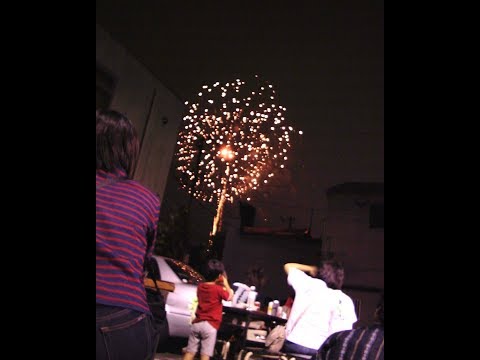
49th Sumida River Fireworks Festival – July 25, 2026

Click or Tap

July 25, 2026

49th Sumida River Fireworks Festival

48th Sumida River Fireworks Festival – July 26, 2025

Click or Tap

July 26, 2025

48th Sumida River Fireworks Festival

46th Sumida River Fireworks Festival – July 29, 2023 – Vertical Video (4K)

Click or Tap

July 29, 2023

Vertical Video
The 46th Sumida River Fireworks Festival
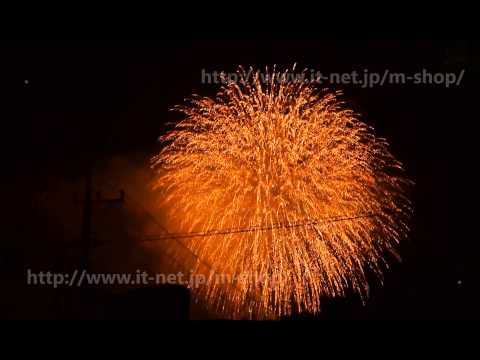
38th Sumida River Fireworks Festival – July 25, 2015

Click or Tap

July 25, 2015

38th Sumida River Fireworks Festival

34th Sumida River Fireworks Festival – August 27, 2011

Click or Tap

August 27, 2011

34th Sumida River Fireworks Festival

33rd Sumida River Fireworks Festival – July 31, 2010

Click or Tap

July 31, 2010

33rd Sumida River Fireworks Festival

The 31st Sumida River Fireworks Festival – July 26, 2008

Click or Tap

July 26, 2008

31st Sumida River Fireworks Festival

30th Sumida River Fireworks Festival – July 28, 2007

Click or Tap

July 28, 2007

30th Sumida River Fireworks Festival

The 29th Sumida River Fireworks Festival – July 29, 2006

Click or Tap

July 29, 2006

29th Sumida River Fireworks Festival

The 28th Sumida River Fireworks Festival – July 30, 2005

Click or Tap

July 30, 2005

28th Sumida River Fireworks Festival

The 24th Sumida River Fireworks Festival – July 28, 2001

Click or Tap

July 28, 2001

24th Sumida River Fireworks Festival


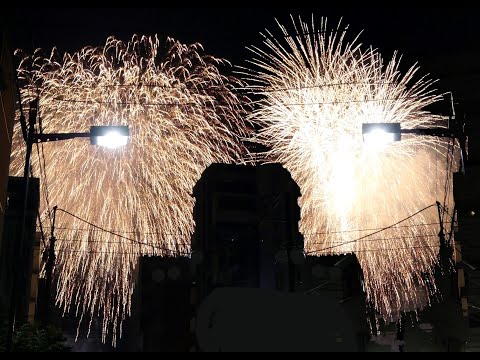
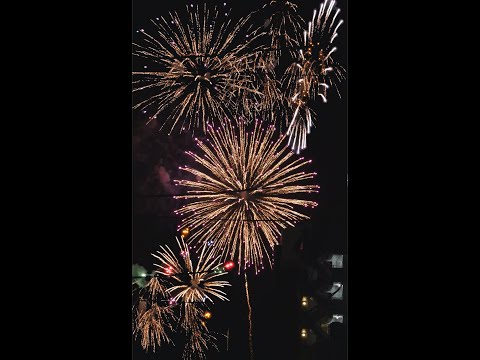
The Sumida River Fireworks Festival is one of the most famous and historic summer events in Tokyo, offering visitors a unique opportunity to experience the beauty of traditional Japanese culture together with the energy of a modern metropolis. Every year, the banks of the Sumida River become a spectacular stage where thousands of fireworks illuminate the night sky, creating an unforgettable scene that represents the spirit of Tokyo’s summer season. The festival is especially popular among both Japanese residents and international travelers because it combines historical atmosphere, local traditions, and breathtaking views of fireworks above the city skyline. The origins of the Sumida River Fireworks Festival can be traced back to the Edo period, more than 280 years ago. The event began in 1733 as the “Ryogoku Kawabiraki” fireworks display during the reign of the eighth Tokugawa shogun, Tokugawa Yoshimune. At that time, Japan experienced a severe famine and widespread disease, causing many people to lose their lives. To honor the victims and pray for protection from epidemics, a water spirit ceremony was held, followed by a fireworks display officially permitted by the government. This tradition became an annual summer event along the Sumida River, which was then commonly called the “Okawa” River. During the Edo period, people enjoyed watching fireworks from boats, restaurants, and riverside areas, creating a lively summer culture that continues to influence the festival today. The historical background of the festival is one of its greatest attractions. Unlike many modern entertainment events, the Sumida River Fireworks Festival carries a deep connection to the prayers, hopes, and daily lives of people from past generations. The fireworks are not only beautiful visual performances but also a symbol of remembrance, celebration, and community. Over the centuries, Japanese fireworks craftsmanship has developed into a highly refined art form, with skilled artisans carefully designing every detail, from the shape of the explosion to the combination of colors and the timing of each effect. Traditional Japanese fireworks are admired around the world for their elegance and precision. Many fireworks are designed in the shape of flowers, such as the chrysanthemum style, where a perfectly round pattern expands across the sky before slowly disappearing. Other types create sparkling trails, changing colors, or multiple layers of light. Fireworks makers, known as pyrotechnicians, spend many months preparing their creations, combining scientific knowledge with artistic imagination. During the Sumida River Fireworks Festival, audiences can appreciate the remarkable skill of these professionals as the night sky becomes a large canvas filled with brilliant designs. The modern Sumida River Fireworks Festival was officially revived in 1978 after a long suspension. The original Ryogoku Kawabiraki event ended in 1961 due to increasing traffic problems and changes in the urban environment. However, many people wished to restore this important symbol of Tokyo’s summer culture, and the festival returned with a new name and a new format. Today, the event is organized with two main venues along the Sumida River, allowing visitors to enjoy different styles of fireworks while maintaining safety in the crowded urban area. One of the special features of the festival is the relationship between fireworks and Tokyo’s historic scenery. The viewing areas around Asakusa, Sumida Park, and the riverbanks provide visitors with a wonderful combination of old and new Tokyo. Traditional streets, temples, bridges, and local neighborhoods create a nostalgic atmosphere, while the modern Tokyo Skytree rises in the background as a symbol of the present-day city. When fireworks explode above the river with the illuminated tower behind them, the scene represents the harmony between Edo history and contemporary Tokyo. Visiting the festival is also an opportunity to experience Japanese summer culture. Before the fireworks begin, the surrounding streets become filled with people wearing colorful yukata, the traditional summer kimono. Food stalls appear throughout the area, offering popular festival foods such as yakisoba noodles, grilled seafood, takoyaki, shaved ice, and sweet snacks. Families, couples, friends, and travelers gather together, creating a warm and lively atmosphere. The sounds of conversation, festival music, and distant fireworks preparations gradually build excitement as evening approaches. The Sumida River itself plays an important role in the beauty of the event. Boats slowly moving across the water, reflections of colorful fireworks on the river surface, and the silhouettes of historic bridges create a picturesque landscape. Visitors can enjoy the festival from many different viewpoints, and each location offers a unique perspective. Some people prefer the lively atmosphere near Asakusa, while others choose quieter riverside areas to appreciate the scenery. Photography enthusiasts especially enjoy capturing the combination of fireworks, water reflections, city lights, and Tokyo Skytree. The summer weather in Tokyo adds another characteristic element to the festival experience. The event is generally held during the hottest period of the year, when temperatures are often high and humidity remains strong even after sunset. Visitors need to prepare for warm conditions by drinking enough water, taking breaks, and protecting themselves from heat. At the same time, the warm summer evening air creates the perfect atmosphere for an outdoor celebration. When the fireworks rise above the river and cool breezes move through the city, the contrast between the summer heat and the refreshing night scenery becomes part of the festival’s charm. Another important aspect of the Sumida River Fireworks Festival is the strong cooperation between local communities and city authorities. Because hundreds of thousands of people gather in a relatively small area, careful planning is necessary to ensure safety and smooth transportation. Local residents, businesses, volunteers, and officials work together to maintain the traditional atmosphere while managing the large number of visitors. This cooperation reflects the strong connection between the festival and the communities along the Sumida River. For tourists visiting Tokyo, the Sumida River Fireworks Festival is more than a simple fireworks show. It is a cultural journey through Japanese history, from the prayers of the Edo period to the creativity of modern fireworks artists. It offers the chance to see a different side of Tokyo, where historic neighborhoods, traditional customs, and advanced urban landscapes exist together. Watching colorful fireworks bloom above the Sumida River while surrounded by the sounds and atmosphere of a Japanese summer festival is an experience that remains in visitors’ memories for many years. The Sumida River Fireworks Festival continues to represent the heart of Tokyo’s summer traditions. Its lasting popularity comes from the perfect balance of history, artistry, scenery, and human connection. For anyone who wants to experience authentic Japanese culture in the middle of one of the world’s greatest cities, this festival provides a truly unforgettable evening filled with beauty, emotion, and the timeless spirit of Edo.


日本語ページ


Everyone's Album